Get Forestry Thinning in Manchester, NH
Forestry thinning services help Manchester property owners improve tree health, reduce fire risk, and clear overgrown areas through professional removal and management of excess trees and brush.
If you own property in Manchester, NH, and are considering how to manage overgrown or densely wooded areas, forestry thinning services might be a practical solution. Properly planned thinning can improve the health of your trees, reduce fire risk, and enhance the overall safety and appearance of your land. Property owners exploring options often find it helpful to compare different local contractors to identify providers with experience in managing the unique landscape features of the Manchester area.
Continuing with your project requires understanding the range of services available from nearby professionals. By researching local contractors who specialize in forestry thinning, property owners can gain insights into the approaches used and determine which providers are best suited to meet their specific needs. Keep reading to discover how local experts can assist in creating a clearer, healthier, and more manageable landscape.
- Forestry Thinning - needed when overgrown woods in neighborhoods like North End or South Manchester threaten safety or accessibility.
- Forest Management - suitable for property owners looking to improve tree health and reduce fire risk on rural or suburban land.
- Vegetation Clearing - required when excessive brush obstructs views or hinders property development in areas around Manchester.
- Selective Tree Removal - recommended for removing problematic or damaged trees that pose a danger to nearby structures or power lines.
- Wildfire Risk Reduction - essential for properties in wooded areas seeking to decrease fire hazards through strategic thinning.
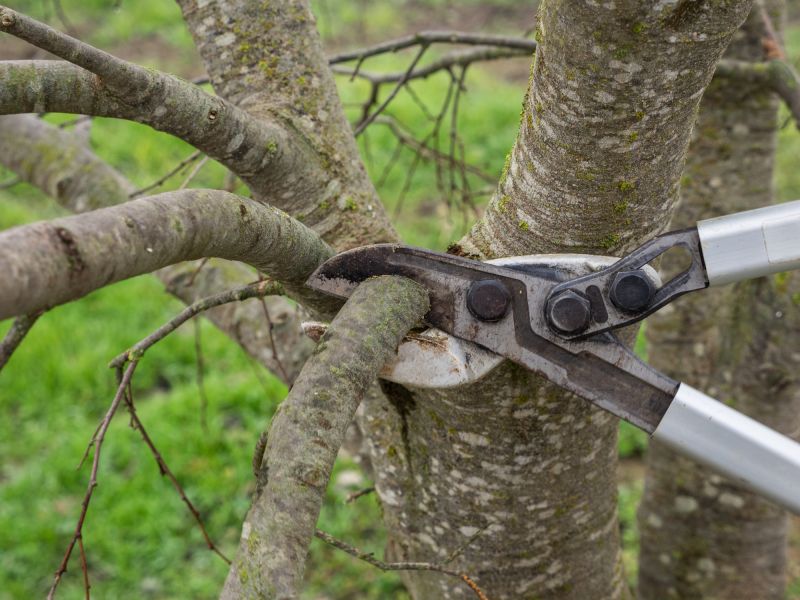

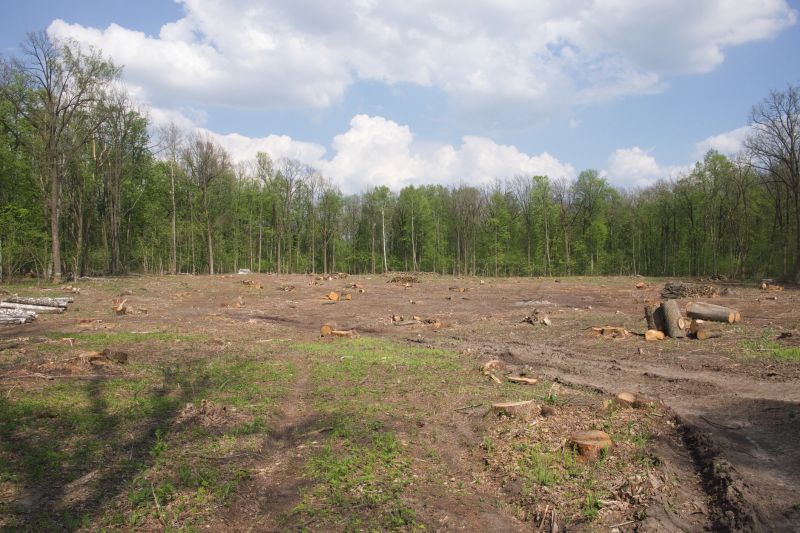
Forestry thinning services involve selectively removing trees and underbrush to improve the health and safety of a wooded area. This process helps to reduce overcrowding within a forest or landscape, allowing remaining trees to grow stronger and more resilient. Thinning also involves clearing out smaller, weaker trees and excess vegetation, which can otherwise compete for resources like sunlight, water, and nutrients. By carefully managing the density of trees, property owners can create a more balanced and sustainable landscape that supports the growth of desirable trees and plants.
This service is especially useful for addressing common problems such as overgrown or cluttered woodlands, which can become difficult to manage or navigate. Overcrowded forests are more prone to pest infestations, disease, and the spread of wildfires. Thinning helps to mitigate these risks by removing dead or damaged trees and reducing fuel loads. Additionally, thinning can improve visibility and access across the property, making outdoor spaces safer and more enjoyable for recreational activities or property maintenance.
Properties that typically benefit from forestry thinning include large residential lots with extensive woodlands, rural farms, and properties with commercial timber operations. Homeowners with wooded areas that have become too dense or overgrown often seek thinning services to maintain the health and appearance of their land. Landowners looking to promote healthy tree growth, manage fire risks, or prepare their property for future development may also find this service valuable. Overall, forestry thinning is a practical solution for maintaining a safe, healthy, and manageable landscape on various types of properties.
Local contractors offering forestry thinning services have the experience and equipment to assess each property’s specific needs. They can determine the appropriate level of thinning to achieve desired outcomes, whether for safety, aesthetics, or long-term land management. These professionals work with property owners to develop a plan that considers the unique characteristics of the land, ensuring that the thinning process enhances the property’s overall condition. Contacting a local expert can help property owners understand when thinning is needed and how it can improve the safety and appearance of their wooded areas.
The overview below groups typical Forestry Thinning projects into broad ranges so you can see how smaller, mid-sized, and larger jobs often compare in Manchester, NH.
In many markets, a large share of routine jobs stays in the lower and middle ranges, while only a smaller percentage of projects moves into the highest bands when the work is more complex or site conditions are harder than average.
Small-Scale Thinning - For modest projects like clearing overgrown areas or selective removal of a few trees, costs typically range from $250-$600. Many routine jobs fall within this middle range, depending on the size and density of the woodland.
Medium-Sized Projects - Larger thinning jobs involving several acres or multiple trees usually cost between $1,000 and $3,000. These projects are common for property owners seeking to improve forest health or prepare land for development.
Large-Scale Thinning - Extensive projects covering multiple acres or requiring significant equipment can range from $3,500 to $8,000. Fewer projects reach into this higher tier, often due to the scope and complexity involved.
Specialized or Complex Jobs - Highly detailed or challenging thinning tasks, such as working on steep terrain or protected areas, can exceed $10,000. These projects are less frequent and typically involve additional planning and resources.
Actual totals will depend on details like access to the work area, the scope of the project, and the materials selected, so use these as general starting points rather than exact figures.
Brush Clearing Projects - local contractors handle brush removal and site preparation that require similar planning and equipment as forestry thinning.
Tree Removal Services - removing specific trees involves similar tools and techniques used in selective thinning to improve forest health.
Logging and Timber Harvesting - timber harvesting projects involve planning and machinery comparable to those used in forest thinning operations.
Forest Maintenance and Management - ongoing forest management tasks often include thinning practices to promote growth and reduce hazards.
Firebreak Construction - creating firebreaks involves clearing vegetation with equipment and planning similar to forestry thinning services.
Storm Damage Cleanup - removing fallen or damaged trees requires equipment and planning skills akin to forestry thinning projects.
When evaluating forestry thinning services, it’s important to consider the experience of local contractors with projects similar to what’s needed on your property. Homeowners should inquire about the types of sites the service providers have worked on and whether they have handled projects comparable in size and scope. This helps ensure that the contractor is familiar with the specific challenges and requirements of forestry thinning in the area, leading to more informed and effective work.
Clear, written expectations are crucial for a successful project. Homeowners are encouraged to discuss and document the scope of work, including the methods to be used, the areas to be thinned, and any specific goals or concerns. Having this information in writing helps prevent misunderstandings and provides a reference point throughout the process. Service providers who can communicate these details effectively and provide comprehensive written plans or estimates are typically more reliable in delivering results that meet expectations.
Reputable references and good communication are key indicators of a dependable forestry thinning contractor. Homeowners should ask for references from previous clients with similar projects to gain insights into the quality of work and professionalism. Additionally, a service provider’s ability to answer questions clearly and keep open lines of communication throughout the project can make a significant difference. While the site introduces people to local options, it is the responsibility of homeowners to connect with trusted service providers who demonstrate experience, transparency, and responsiveness in their approach.
Property owners in Manchester, NH use Forestry Thinning services for practical projects around their homes and businesses. This guide focuses on everyday jobs and straightforward project options.
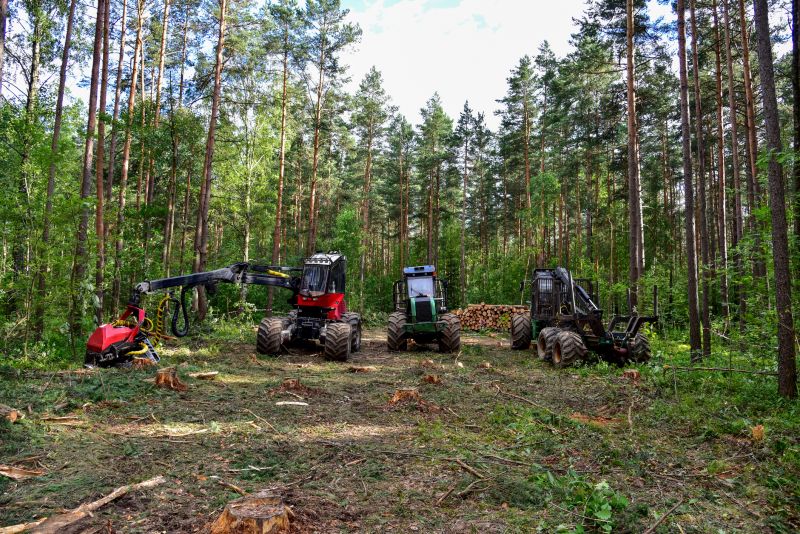
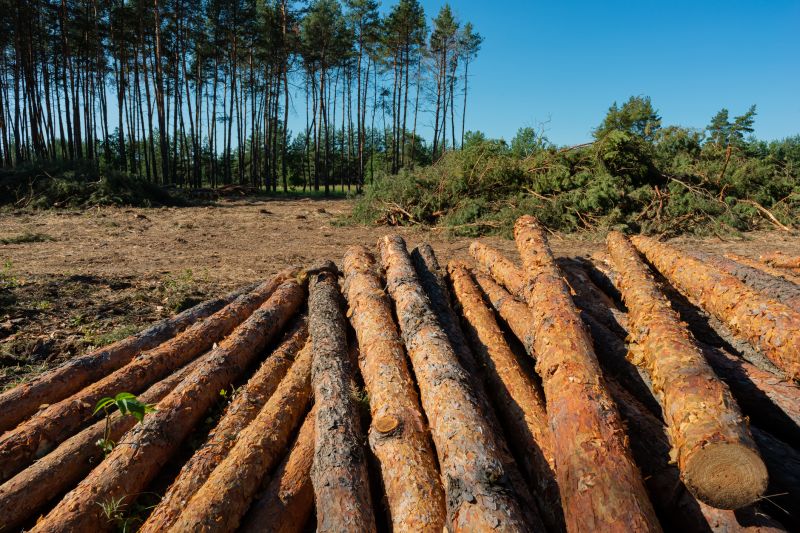
Forestry thinning services are often needed by property owners in Manchester, NH who want to improve the health and growth of their wooded areas. Overgrown trees and dense brush can hinder the development of healthy timber, increase the risk of pest infestations, or make outdoor spaces less accessible. Local contractors experienced in forestry thinning can help clear out excess vegetation, promoting better air circulation and sunlight penetration, which supports the overall vitality of the remaining trees and plants.
Property owners might also seek forestry thinning to prepare land for future development or recreational use. Removing excess trees and underbrush can reduce fire hazards and create more open, usable space. Whether managing large private lots or maintaining smaller wooded areas, local service providers can handle these projects efficiently, helping property owners maintain safe, healthy, and more functional outdoor environments in Manchester, NH.
What is forestry thinning? Forestry thinning involves selectively removing trees to improve forest health, reduce fire risk, and promote better growth for remaining trees.
Who provides forestry thinning services? Local contractors specializing in forestry management can handle thinning projects tailored to property needs.
Why should I consider forestry thinning? Thinning can enhance forest vitality, improve timber quality, and create healthier ecosystems on your land.
What types of trees are typically removed during thinning? Less healthy, overcrowded, or smaller trees are usually targeted to allow more space and resources for the remaining trees.
How do I find qualified forestry thinning service providers in my area? You can compare local contractors through this platform to connect with professionals experienced in forestry management services near Manchester, NH.
Improve forest health - Property owners can work with local contractors to thin dense areas, promoting healthier growth and reducing disease risk.
Manage wildfire risk - Thinning overgrown trees helps decrease fire hazards, especially in wooded or rural properties around Manchester.
Enhance landscape appearance - Removing excess trees and branches can create a more open, attractive outdoor space for recreation or aesthetics.
Prepare for future planting - Thinning can create room for new trees or plants, supporting ongoing landscaping or forestry projects.
If you are thinking about Forestry Thinning for a property in Manchester, NH, this guide is meant to help you understand the work, the typical project types, and how different options might fit your plans.
When you are ready, you can use the quote form on this page to share a few details about your project. From there, local pros can review the basics and respond with options that match what you have in mind.