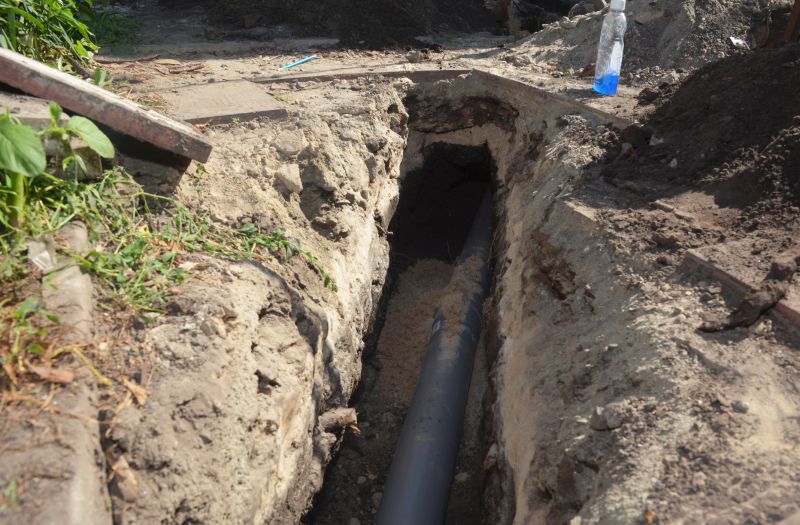
Drain Trenching in Houston, TX
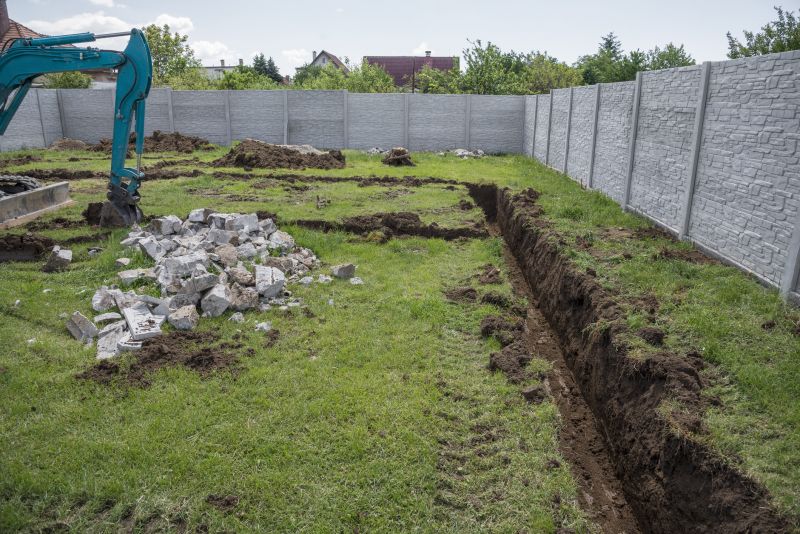
Drain trenching services involve excavating narrow, deep channels in the ground to manage water flow and prevent pooling or flooding around a property. This process is commonly used for installing new drainage systems, redirecting surface water away from foundations, or improving existing drainage infrastructure. Homeowners often request drain trenching when dealing with persistent water accumulation, erosion issues, or planning landscaping projects that require effective water management solutions.
Before requesting drain trenching, property owners should consider the scope of the project, including the area that needs drainage improvement and the type of soil in the yard. It’s also helpful to understand the purpose of the trenching-whether for new installations or repairs-and any potential restrictions or permits required in the local area. Clear communication about the desired outcome can help ensure the trenching work effectively addresses water management needs.
Many property owners in Houston, TX look into Drain Trenching for repairs, replacements, upgrades, and appearance-related improvements.
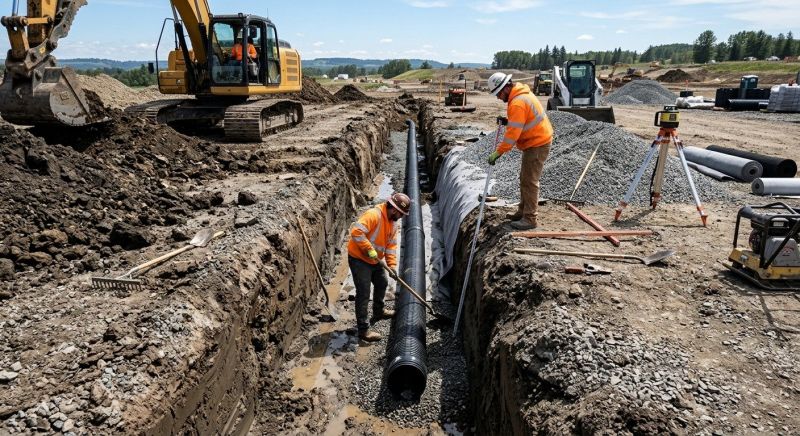
Drain Trenching Solutions
Proper trenching ensures effective installation of drainage systems for residential and commercial properties.
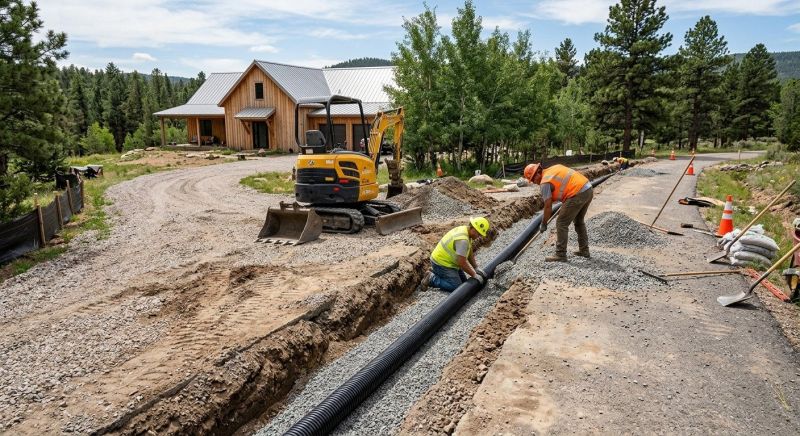
Applications Of Drain Trenching
Drain trenching is essential for managing stormwater runoff, sewer lines, and landscape drainage in houston and nearby areas.
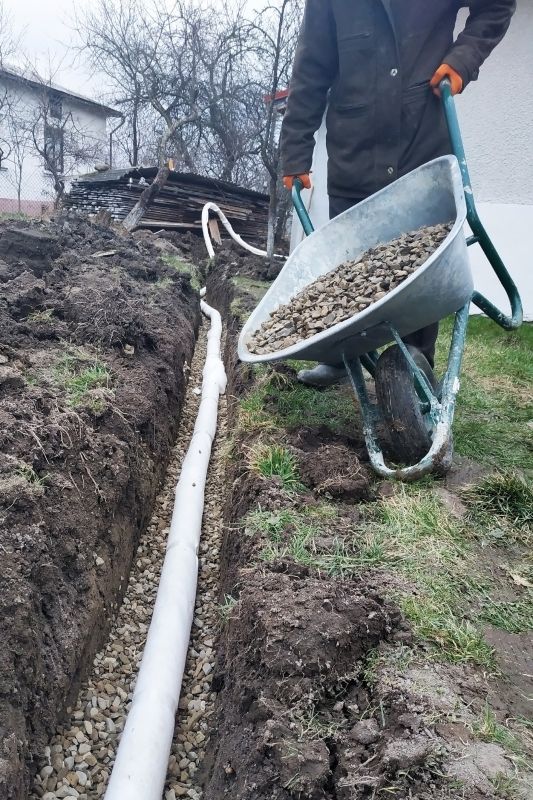
Benefits Of Professional Trenching
Expert trenching helps prevent water damage, reduces erosion, and extends the lifespan of underground piping systems.
Drain Trenching in Houston, TX

Drain trenching services involve excavating narrow, deep channels in the ground to manage water flow and prevent pooling or flooding around a property. This process is commonly used for installing new drainage systems, redirecting surface water away from foundations, or improving existing drainage infrastructure. Homeowners often request drain trenching when dealing with persistent water accumulation, erosion issues, or planning landscaping projects that require effective water management solutions.
Before requesting drain trenching, property owners should consider the scope of the project, including the area that needs drainage improvement and the type of soil in the yard. It’s also helpful to understand the purpose of the trenching-whether for new installations or repairs-and any potential restrictions or permits required in the local area. Clear communication about the desired outcome can help ensure the trenching work effectively addresses water management needs.
Many property owners in Houston, TX look into Drain Trenching for repairs, replacements, upgrades, and appearance-related improvements.
Common Drain Trenching Jobs
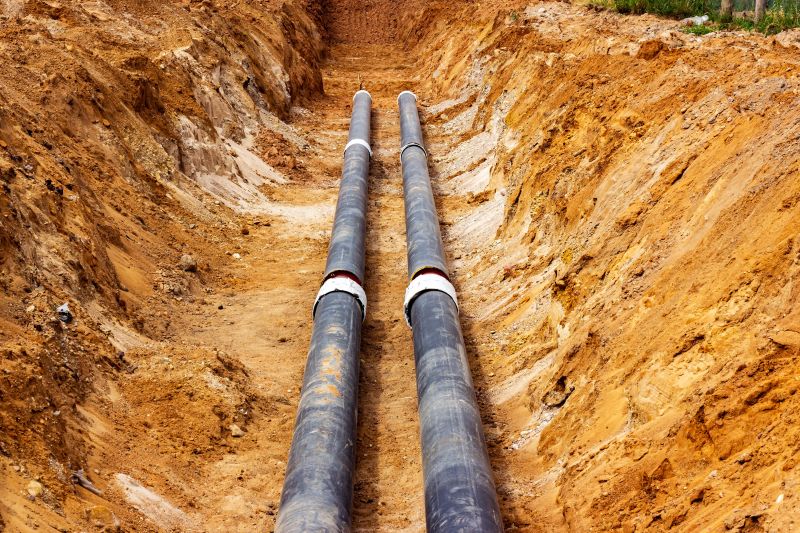
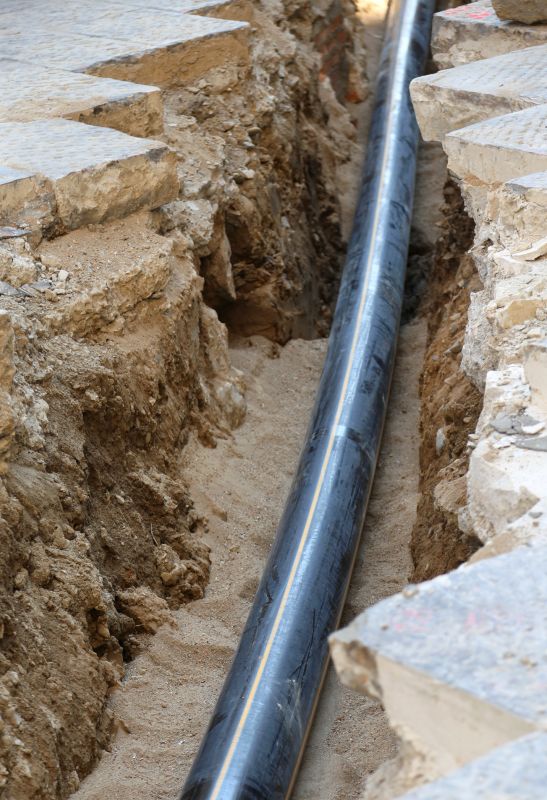
Drain trenching involves digging narrow trenches to install or repair underground drainage systems.
Yard drainage services help redirect excess water away from foundations and landscape areas.
Foundation drainage solutions prevent water buildup that can cause structural damage.
Stormwater management trenching helps control runoff and reduce pooling in yards.
Surface water drainage trenching improves water flow around driveways and walkways.
Erosion control trenching helps stabilize soil and protect landscaping during heavy rains.
Drain Trenching Questions
What is drain trenching? Drain trenching involves digging narrow trenches to install or repair underground drainage systems, helping prevent water buildup around properties.
When is drain trenching needed? It is typically required when drainage pipes are clogged, damaged, or when new drainage pathways are needed to manage excess water.
What types of projects require drain trenching? Projects include installing foundation drains, yard drainage systems, or replacing old or broken underground pipes.
What should property owners consider before trenching? It's important to assess existing underground utilities and ensure proper planning for drainage flow and soil conditions.
Request Drain Trenching in Houston, TX
Use the quote form on this page to share the basics of your project and request more information for the type of work you need.