Get Forestry Thinning in Summit County, CO
Forestry thinning services in Summit County help property owners reduce fire risk, improve tree health, and manage overgrown forests through expert removal of excess trees and brush.
Forestry thinning services are an important consideration for property owners in Summit County, CO looking to manage their land effectively. Properly planned thinning can improve forest health, reduce wildfire risk, and enhance the safety and value of a property. Local contractors who specialize in forestry work can assist with assessing the specific needs of a site, developing tailored plans, and executing the necessary steps to achieve desired outcomes. Exploring options within the area ensures access to experienced professionals familiar with regional conditions and regulations.
Property owners interested in forestry thinning are encouraged to compare local service providers to find the right team for their project. Many contractors offer a range of services designed to support land management goals, from initial planning to project completion. Continuing to read can provide insights into the benefits of professional forestry work and help identify qualified experts who can handle the specific challenges of land in Summit County and nearby areas.
- Forestry Thinning - needed when overgrown forests in Summit County, CO, threaten tree health or increase wildfire risk.
- Forest Management - suitable for property owners seeking to maintain healthy woodlands around neighborhoods in the area.
- Vegetation Clearing - required to reduce excess brush and improve visibility in forested properties near mountain communities.
- Fuel Load Reduction - important for reducing fire hazards in wooded areas surrounding residential or recreational sites.
- Selective Tree Removal - appropriate when removing specific trees to promote growth and safety within forested landscapes.
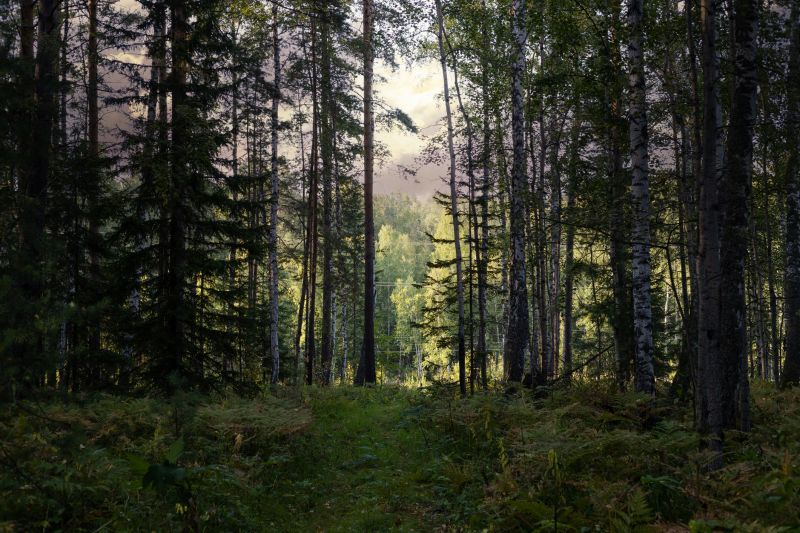
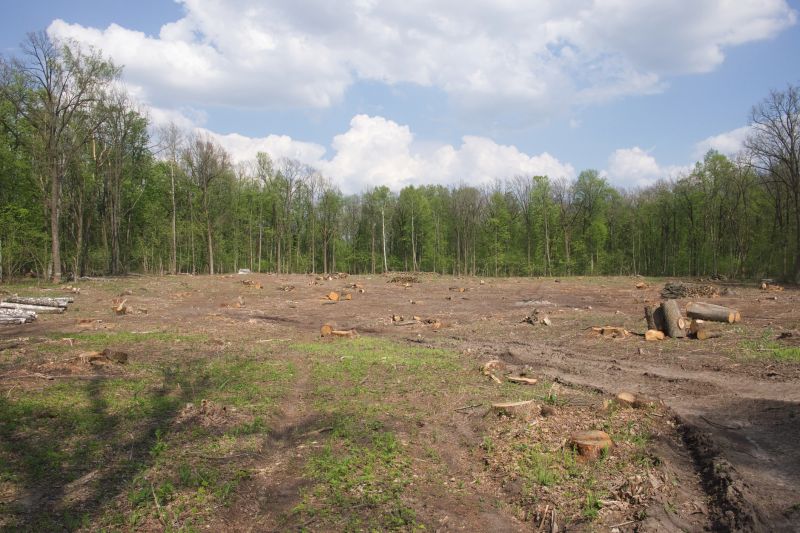
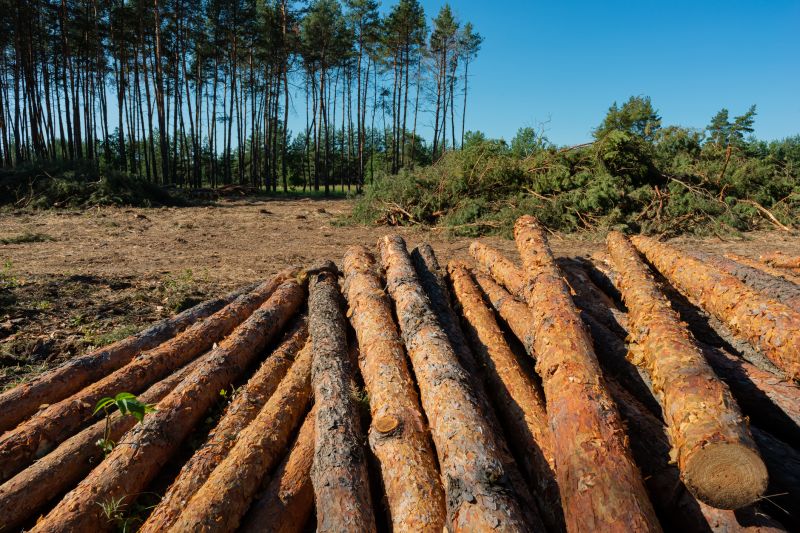
Forestry thinning services involve carefully removing excess trees, branches, and underbrush from wooded properties to improve overall forest health and safety. This process helps reduce overcrowding in dense forests, allowing remaining trees to grow stronger and healthier. Thinning also involves selectively removing weaker or overgrown trees to promote better airflow and sunlight penetration, which can contribute to a more resilient and sustainable landscape. By clearing out unnecessary vegetation, property owners can better manage their wooded areas and maintain a balanced, thriving forest environment.
These services are often sought after by homeowners who own large parcels of land, mountain properties, or forested acreage. Over time, unmanaged forests can become overgrown, increasing the risk of pests, disease, and wildfire. Forestry thinning helps mitigate these hazards by reducing fuel loads and creating defensible space around homes and structures. It is also useful for properties that have experienced storm damage or where invasive species have taken hold, as thinning can help restore native plant growth and improve the overall vitality of the landscape.
Forestry thinning can address a variety of problems common to wooded properties. Overcrowded trees can compete for vital resources, leading to weaker growth and increased vulnerability to pests and disease. Dense underbrush can hinder access for maintenance or emergency response and may contribute to wildfire spread. Thinning can also improve the aesthetics of a property by opening up views and creating a more manageable landscape. Property owners who notice increased dead or dying trees, excessive undergrowth, or a decline in forest health may find that thinning services are a practical solution to restore balance and safety.
Properties that typically benefit from forestry thinning include rural homes, mountain retreats, and properties with large wooded areas. These services are also suitable for landowners planning future development or recreational use, as a well-maintained forest can enhance usability and safety. Whether the goal is fire prevention, forest management, or simply improving the appearance of a wooded landscape, local contractors can provide tailored thinning services to meet specific needs. Contacting experienced service providers can help property owners evaluate their land and determine if thinning is an appropriate step toward healthier, safer forests.
The overview below groups typical Forestry Thinning projects into broad ranges so you can see how smaller, mid-sized, and larger jobs often compare in Summit County, CO.
In many markets, a large share of routine jobs stays in the lower and middle ranges, while only a smaller percentage of projects moves into the highest bands when the work is more complex or site conditions are harder than average.
Smaller Thinning Jobs - For routine thinning of small woodlands or individual areas, local contractors typically charge between $250 and $600. Most projects in this range involve light to moderate thinning and are common for property maintenance. Larger, more complex jobs can exceed this range but are less frequent.
Medium-Scale Projects - Medium-sized forestry thinning work usually falls between $600 and $2,000, covering larger parcels or more intensive thinning efforts. Many projects in this category are routine and fall comfortably within this range, while some more detailed jobs can push higher.
Larger Forest Thinning - Extensive thinning across large properties or multiple acres can range from $2,000 to $5,000 or more. These projects often involve significant planning and equipment, with fewer jobs reaching the upper end of this spectrum.
Complex or Specialized Jobs - Very large or technically demanding forestry thinning projects, such as those requiring specialized equipment or environmental considerations, can cost $5,000+ and are less common. These jobs typically involve detailed planning and custom work by experienced local contractors.
Actual totals will depend on details like access to the work area, the scope of the project, and the materials selected, so use these as general starting points rather than exact figures.
Brush Clearing Projects - Local contractors often handle brush clearing that requires similar planning and equipment as forestry thinning to promote healthy land management.
Selective Tree Removal - This type of project involves removing specific trees to improve forest health, utilizing skills and tools comparable to thinning services.
Firebreak Creation - Creating firebreaks involves clearing vegetation in strategic areas, requiring similar site assessment and vegetation management as forestry thinning.
Underbrush Removal - Removing dense underbrush to reduce fire risk and improve access aligns with the techniques used in forestry thinning operations.
Habitat Restoration Projects - Restoring natural habitats often involves vegetation management similar to forestry thinning to promote ecosystem balance.
Trail Maintenance and Clearing - Clearing and maintaining trails requires vegetation management skills akin to those used in forestry thinning services.
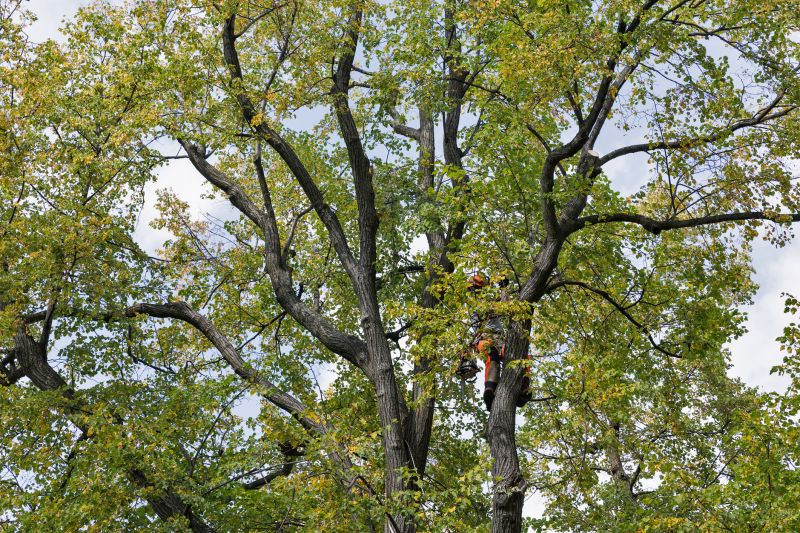
When comparing forestry thinning services, it’s important to consider the experience of local contractors with similar projects. Homeowners should look for service providers who have a proven track record of handling forestry thinning in environments comparable to their property. Asking for examples of past work or references related to projects in the Summit County area can help gauge a contractor’s familiarity with local conditions and challenges. This insight ensures that the chosen professional understands the specific requirements of forestry thinning in the region, leading to more reliable results.
Clear, written expectations are essential when evaluating potential service providers. Homeowners should seek detailed descriptions of the scope of work, including the methods and equipment used, to ensure there is a mutual understanding of what the project entails. Establishing these expectations upfront helps prevent misunderstandings and provides a basis for comparing different local contractors. A transparent outline of the work also allows homeowners to assess whether the service provider’s approach aligns with their goals for the property.
Effective communication and reputable references are key factors in selecting a dependable forestry thinning contractor. Homeowners are encouraged to inquire about how the service provider communicates throughout the project, including responsiveness and updates. Additionally, requesting references from previous clients can provide valuable insights into the contractor’s professionalism, reliability, and quality of work. Since this site introduces homeowners to local options rather than performing the work itself, it’s important to focus on these qualities to find a service provider capable of delivering satisfactory results.
Property owners in Summit County, CO use Forestry Thinning services for practical projects around their homes and businesses. This guide focuses on everyday jobs and straightforward project options.
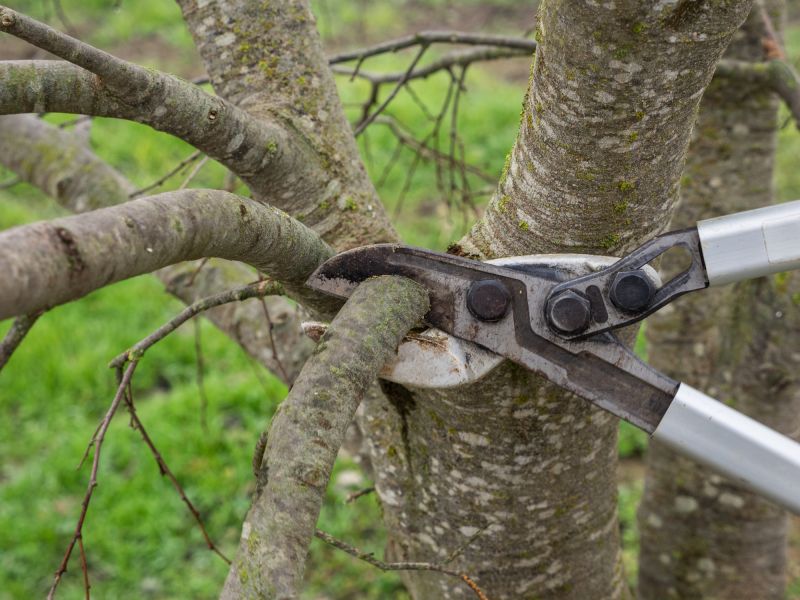
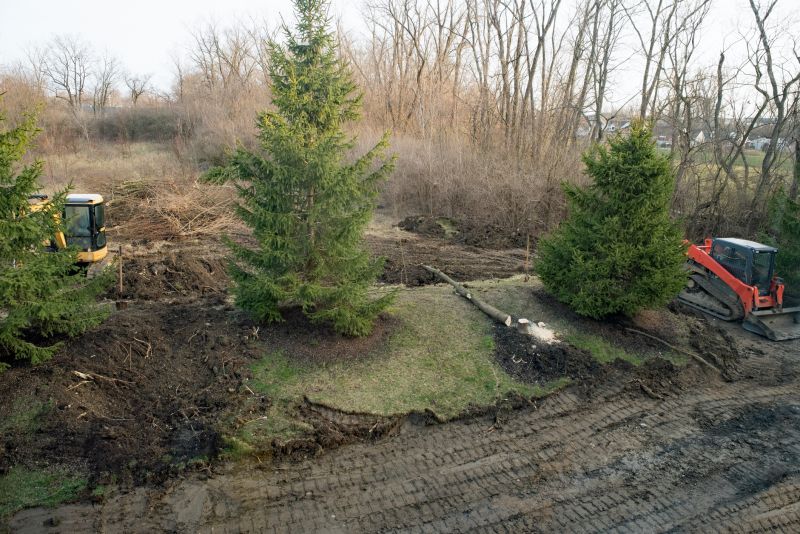
Forestry thinning services are often sought after by property owners in Summit County, CO who want to reduce the density of trees on their land. Overgrown forests can lead to increased wildfire risk, making thinning an important step for fire safety and land management. Additionally, property owners may need this work to improve the health of their trees, promote better growth, or simply create more open space for recreation and aesthetics.
Local contractors offering forestry thinning can assist with a variety of project situations, such as clearing areas after storm damage or managing overgrown wooded sections to prevent pest infestations. They can also help prepare land for construction or development projects, ensuring that trees are removed efficiently and safely. Connecting with experienced service providers can help property owners address these common needs effectively.
What is forestry thinning? Forestry thinning is a process that involves selectively removing trees to improve forest health, reduce fire risk, and promote growth of remaining trees.
How can forestry thinning benefit my property? Thinning can help reduce wildfire hazards, improve tree vitality, and enhance the overall appearance of your wooded land.
What types of forestry thinning services are available? Local contractors offer various thinning methods, including mechanical thinning, hand thinning, and prescribed burning, tailored to specific forest conditions.
Is forestry thinning suitable for all types of forests? Forestry thinning is generally suitable for many forest types, but a professional assessment can determine the best approach for your land.
How do I find qualified service providers for forestry thinning? You can contact local contractors specializing in forestry management to compare options and select a provider that fits your needs.
Thinning for Fire Safety - Property owners can reduce wildfire risk by working with local contractors to selectively remove dense or dead trees around their homes.
Creating Trail Openings - Thinning services can help clear pathways through wooded areas for recreational use or access routes.
Improving Tree Health - Regular thinning can promote healthier growth by removing overcrowded or diseased trees, supporting a thriving forest.
Managing Timber Resources - Property owners may use thinning to selectively harvest trees for personal use or to improve forest management practices.
If you are thinking about Forestry Thinning for a property in Summit County, CO, this guide is meant to help you understand the work, the typical project types, and how different options might fit your plans.
When you are ready, you can use the quote form on this page to share a few details about your project. From there, local pros can review the basics and respond with options that match what you have in mind.